HomePage — Chimica Industriale "Toso Montanari"
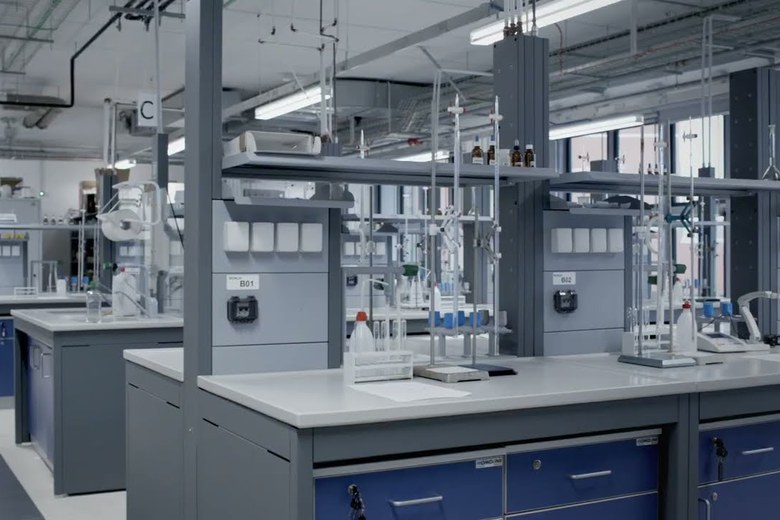
Le sedi del Dipartimento
Faenza, Rimini e Bologna
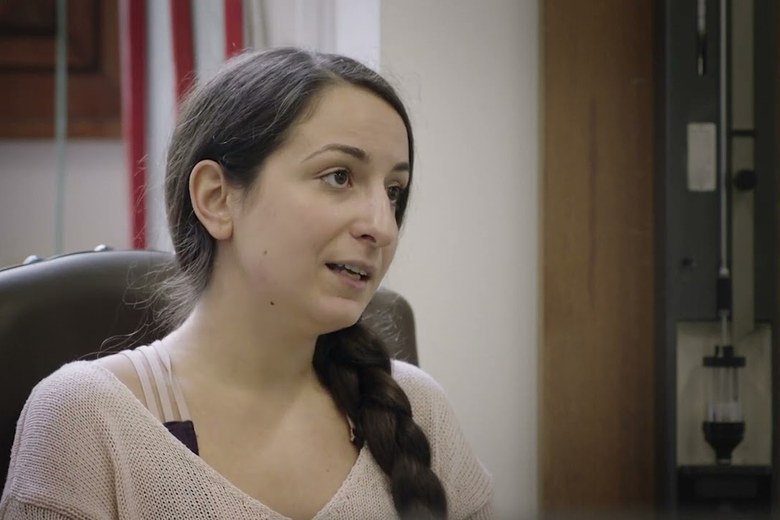
Perchè studiare a Faenza?
Materiali tradizionali e innovativi
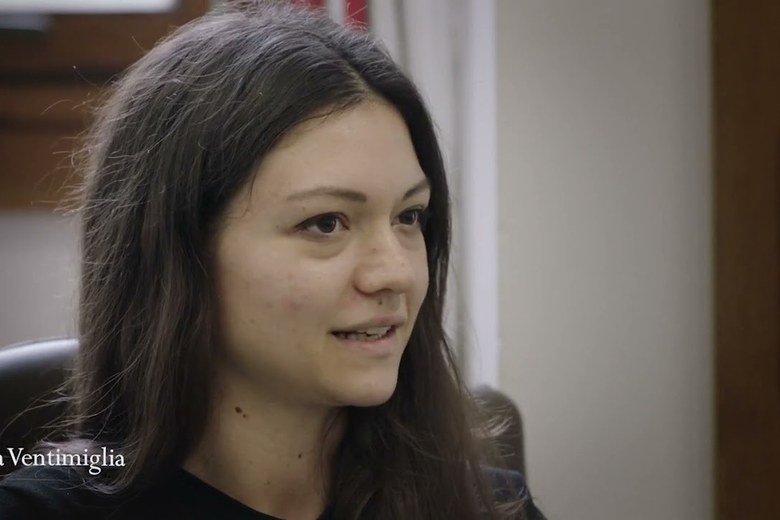
Perchè studiare a Rimini?
Ambiente, energia e rifiuti
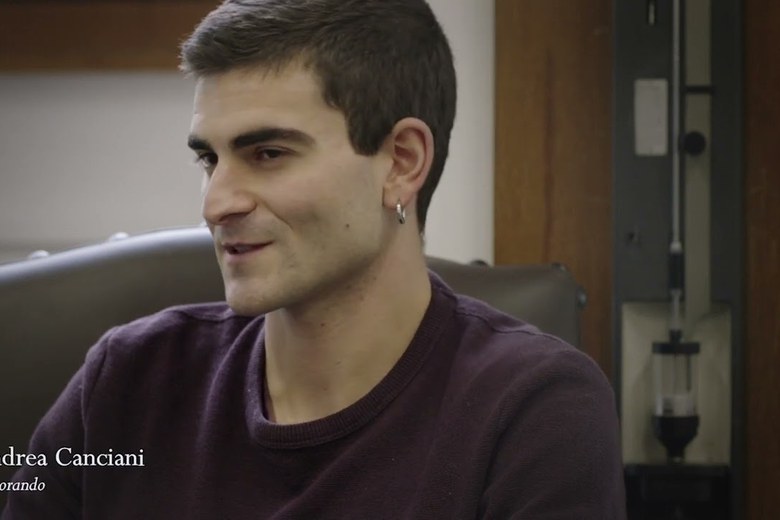
Perchè studiare a Bologna?
Chimica applicata all'industria

Ambiti di ricerca
Un percorso attraverso gli ambiti, i progetti e i gruppi di ricerca dove nascono e si sviluppano nuove conoscenze. Scopri le attività di ricerca e di innovazione scientifica dei ricercatori del dipartimento.
Notizie
Innovazione e ricerca
A che punto è l'Italia sull'idrogeno verde?
Leonardo Setti intervistato per la trasmissione "Presa Diretta", Rai 3
Incontri e iniziative
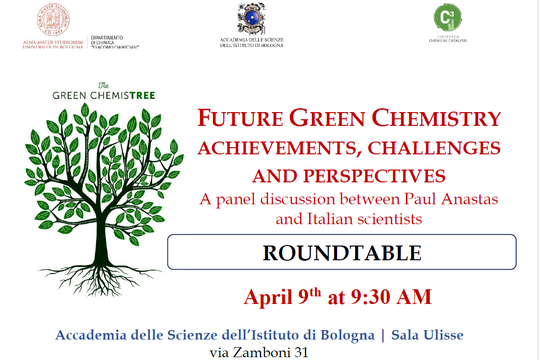
Where is the chemical industry going? Fabrizio Cavani con Paul Anastas
All'Accademia delle Scienze dell'Istituto di Bologna tavola rotonda sul tema: Future Green Chemistry Achievement, challenges and perspectives
Innovazione e ricerca
Creare nuove molecole con metodi sostenibili guidati dalla luce: la sfida dell’ERC Advanced Grant PHOTOZYME
Guidato da Paolo Melchiorre, professore al Dipartimento di Chimica Industriale "Toso Montanari" dell'Università di Bologna, il progetto di ricerca di frontiera, finanziato con 3 milioni di euro dallo European Research Council, vuole sviluppare nuovi strumenti fotobiocatalitici per una sintesi sostenibile di molecole di interesse, da cui possono nascere ad esempio nuovi farmaci
Incontri e iniziative
Giochi della Chimica 2024.
Organizzati dalla Società Chimica Italiana.
Partecipa alla revisione dello Statuto di Ateneo
Il personale dell'Università di Bologna può consultare i documenti del gruppo di lavoro e inviare una riflessione o una proposta, autenticandosi al sito dedicato.
Dottorato di ricerca a.a. 2023/24
Scopri i corsi di dottorato dell'Università di Bologna articolati in sei aree tematiche e partecipa al bando. Scadenza: 22 agosto 2023.
Bandi per assegni di tutorato per i corsi di studio del Dipartimento di Chimica Industriale, sede di Bologna, A.A. 23/24
Tour guidati e AperiScienza, aspettando la Notte Europea dei Ricercatori 2023
In attesa della notte dedicata alla ricerca , arrivano due rassegne per riPENSAre alle proprie conoscenze: incontri con docenti e ricercatori, visite guidate e mini trek.
Aperta la selezione di 17 posizioni di dottorato a doppio titolo finanziate nell'ambito di Horizon Europe Marie Skłodowska-Curie
La rete di formazione alla ricerca TClock4AD consegnerà doppi titoli a 17 dottorandi innovativi, creativi e imprenditoriali.
Il 30 Ottobre partecipa al seminario "La cooperazione allo sviluppo: quale ruolo per le università?"
Il seminario si propone come luogo d’incontro e confronto sulla cooperazione allo sviluppo tra rappresentanti del mondo universitario e rappresentanti di diversi ambiti della cooperazione.

GenerAzioni: la ricerca incontra la città
Dal 2 marzo in Biblioteca Salaborsa i dottorandi e le dottorande affronteranno alcune delle sfide sociali, ambientali e culturali più significative del nostro tempo. Partecipa alla rassegna di cinque incontri.
Alma Mater Fest - l’Università di Bologna accoglie la sua comunità studentesca
Dal 27 settembre al 2 ottobre ti aspettiamo a Bologna, Cesena, Forlì, Ravenna e Rimini per una 4° edizione speciale con ospiti, talk di attualità e tante attività gratuite aperte a tutti.
Corsi di Laurea e Laurea Magistrale a.a. 2023/24
Consulta l’offerta dei Corsi di Laurea e Laurea Magistrale del dipartimento e scegli il corso che fa per te.
Eni Award 2023 - Young Researcher of the Year
Eni, in the framework of the 2023 Edition of the Eni Award Prizes, announces TWO PRIZES
13 Febbraio - The crisis in Iran. A Toolkit for understanding international dynamics
Partecipa all'evento a ingresso libero, in presenza o online su Teams.
Consulenze e prestazioni
Attività per aziende ed enti pubblici.
Avrò cura di te: supporto psicologico alla cura di figli e familiari
Scopri il nuovo servizio gratuito di supporto psicologico rivolto alla comunità dell'Università di Bologna.